As an Amazon Associate. We get small commissions for purchases made through affiliate links in this post at no extra cost to you. More info. Amazon Affiliate Disclaimer
Overview of low back pain diseases (LBP)
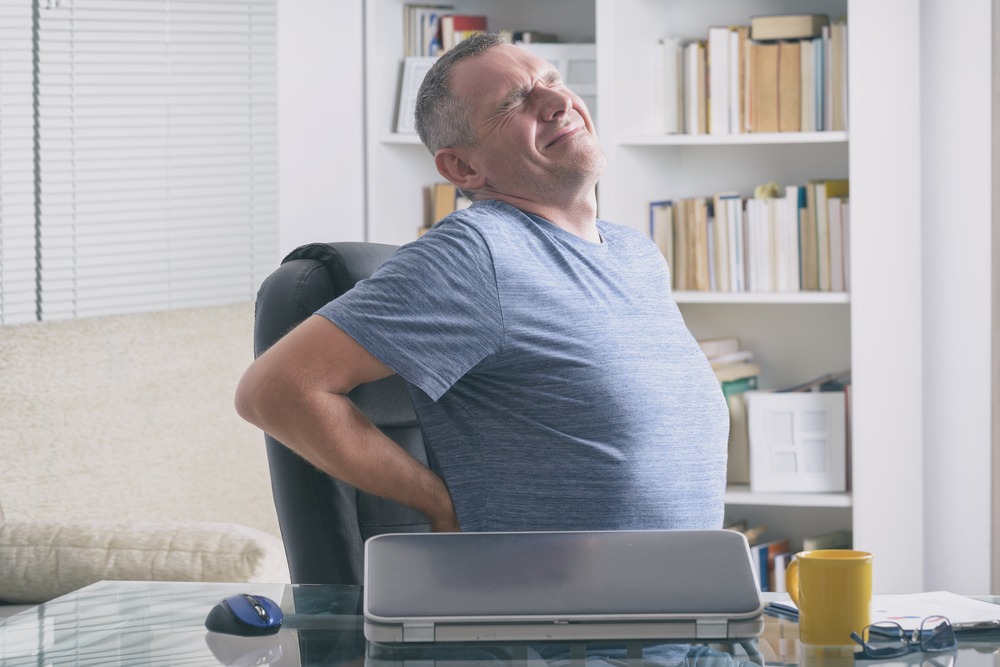
Low back pain (LBP) is one of the utmost common diseases that affect the physical status of the people, and it’s the fifth most common leading cause for doctor visits.
LBP diseases is classified into 3 types according to the underlying reason, which is the mechanical, non-mechanical, and referred pain from the other body regions.
Similarly, LBP can be classified by duration of its onset to acute (the pain lasting up to 6 weeks), subchronic (pain lasting from 6-12 weeks), and chronic (pain lasting more than 12 weeks).
Usually, the symptoms of LBP continue up to a few weeks, and about 40 to 90% of people will have a full improvement by six weeks.
LBP diseases prevalence & Incidence
According to the studies, about 40% of people will suffer from LBP diseases at a certain point in their life, and 80% of them in the developing world.
Nearly 7 million population in the United States has limited physical activities due to LBP. Identically, Men and women are affected equally. Hence, it influences about 60-80% of people throughout their lifetime.
Based on research, it was stated that its prevalence is about 84%, and 23% of this portion is chronic back pain. LBP results in disability in about 11-12% of the population in the world. In the same manner, LBP diseases has become a significant issue in those who are at the age of 40 to 80 years.
Thus, after you got an understanding of low back pain and it’s an occurrence. Now, let’s talk about its signs and symptoms, causes, how to be diagnosed, risk factors, prevention, prognosis, and treatment.
Symptoms of LBP Diseases
In most acute cases of LBP diseases, the pain may increase gradually after some specific movements or activities like
- Forwarding bending.
- Lifting heavy weights.
- Sudden, fault at twisting movements.
Usually the symptoms may resolve soon after doing one of those movements or after waking up the next morning.
The most common signs and symptoms of LBP diseases can be:
- Tenderness at a specific point or it can be at different locations.
- Pain at the affected region of the lower back. It may or may not worsen with particular movements like bending forward or lateral, sitting, standing, or raising the leg from the position when lying on the back.
- Referred pain or radiating pain from buttocks to legs which is known as sciatica
- Some other problems that may occur with chronic low back pain are sleeping problems or disturbances, which might result in depression or anxiety later on.
Causes of LBP diseases
Low back pain by itself is neither a disease nor an illness. Still, it’s a complaint or a condition that can be caused by several underlying problems or diseases.
The primary possible cause of LBP is unknown, but numerous cases prominently include :
1) Non-serious underlying cause like:
- Sprains or strains
- Muscle spasm
- Overweight
- Weight gain during pregnancy
- Anxiety and stress
- Smoking
- Sedentary lifestyle
- Poor posture and faulty posture
- Poor position during sleep
2) Additional apparent diseases or conditions resulting in LBP (physical causes):
- Osteoarthritis of the spine.
- Degenerative discs diseases which affect the discs present between the vertebrae.
- Discs herniation.
- Fractures of vertebrae sometimes may be due to osteoporosis.
3) Rare causes of LBP :
- Tumor of the spine or spinal cord.
4) Ultimate Causes that affect only women population:
About 50% of pregnant women report pain in the lower back, especially in the sacral area. Here are the critical causes involved in the women population typically are:
- Conditions that affect the reproductive system of women like endometriosis, ovarian cysts, uterine fibroids, ovarian cancer.
- Weight gain during pregnancy which causes strain and sprain due to changing in the posture and center of gravity.
Accurate Diagnosis of LBP Diseases :
If you have a LBP that increases gradually with the time you have to visit a specialized doctor to take the medical history and to do the clinical physical examination to you.
If your doctor notices that you have some severe signs and symptoms then he will recommend making medical tests and investigations like X-ray or MRI to rule out any harsh underlying conditions like (Fractures of vertebrae, cancer, infections or any inflammatory disease like e.g.ankylosing spondylitis) or to rule out any specific underlying conditions like (Disc herniation, radiculopathy, osteoarthritis, spinal stenosis)
So, if the doctor has ruled out that you have not a serious underlying cause of your low back pain. This can typically mean that you have non-specific LBP due to a non-specific underlying cause like muscle spasm, strain, sprain…etc.
The non-specific LBP represents about 90% of the population who presented to the primary treatment. Research showed that out of numerous causes of LBP, approximately 90% of them are due to mechanical or musculoskeletal causes, and 75% of them have a non-specific reason identified. Rarely, systemic causes like fibromyalgia or psychological causes result in LBP.
LBP could be classified according to signs and symptoms. Pain that doesn’t change with movement or changing positions and localized to the back without radiation to the buttocks and thighs is classified as non-specific. This is the most common presentation of the LBP cases.
But if pain localized in the lower back is radiated to one or both legs beyond the knee joint and is changeable with different movements and positions. Then the pain is of radicular classification, which is about 7% of LBP cases.
In some LBP cases, which has one red flag like trauma, infection, fever, cancer, significant muscle weakness, unexplained weight loss. These symptoms show that there is a severe underlying cause, and it is classified as urgent, or this is a LBP disease that needs special attention.
The presence of the red flag in certain LBP cases indicates that these cases need further investigations, but that doesn’t mean that all of these cases has a severe problem.
Several LBP cases, ruled out from any serious issues, have non-specific causes and are treated symptomatically without an exact underlying cause. CT and MRI tests are crucial to be done in cases that have red flags or situations that have neurological symptoms. It can equally involve the diseases when these symptoms are not resolved or get worsening with the time.
Unfortunately, the medical history and physical examination is not a solution for every medical problem. Because sometimes, this medical history and physical exam don’t suggest that the person has a grave problem. That typically indicates using X-ray, CT, or MRI investigations are useless. A study showed that fewer than 1% of imaging tests can identify the cause of the problem. Straight leg raising clinical examination is one of the most clinical trials to identify disc herniation. In other cases, Lumbar provocative discography may be useful to identify a particular disc leading to pain in those with chronic high levels of LBP.
But in some procedures, using nerve blocks are useful to identify the specific source of pain. As some evidence supports the use of facet joint injections, transforaminal epidural injections, and sacroiliac injections as diagnostic tests. Most of the other physical examinations, such as assessment of scoliosis, muscle weakness or wasting, and impaired reflexes, are of little use.
Main Classes of LBP
Class 1 LBP – According to the Nature of the Underlying Cause:
There are three types of LBP for your concern, Which are the:
1) Mechanical back pain:
The pain due to non-specific conditions like back muscle strains, sprains, disc herniation.
2) Non-mechanical back pain:
The pain due to inflammatory diseases like ankylosing spondylitis, Tumors, and Infection.
3) Referred back pain:
The pain because of diseases of internal organs like kidney stones and infections, aortic aneurysm, gallbladder diseases.
Class 2 LBP – According to the Underlying Disease
We have divided LBP into a different general rating based on underlying diseases or conditions.
1) Musculoskeletal causes (mechanical causes)
- Strains,
- Muscles spasm
- Disc herniation, spinal stenosis, compression fractures, osteoarthritis
2) Inflammatory conditions
- Ankylosing spondylitis
- Inflammatory bowel diseases
- Reactive arthritis
- Psoriatic arthritis
3) Malignancy:
Malignancies like cancer of bones, lungs, and breast.
- Bone metastasis of lung, breast, prostate, thyroid…etc
4) Infectious:
Infections with osteomyelitis.
- osteomyelitis; abscess
Class 3 LBP – According to the Duration of pain
This can be divided into three types, as described earlier in this article.
1) Acute (aching last up to 6 weeks)
2) Sub-chronic or known as a sub-acute LBP (pain last from 6-12 weeks)
3) Chronic (pain last for more than 12 weeks)
Practical guidelines to Prevent Low Back Pain
There are several ways to prevent low back pain, especially if you have some non-specific cause. So, you can prevent recurrences of LBP by reducing extra stress on your back. You can do so if you follow these particular guidelines:
- Maintain your weight within the standard limit, avoid excess weight.
- How you sit, stand, lie matters a lot to your back. Teach yourself about the best positions during daily activities, like routinely activities at home, office, or when going outside.
- Avoid sudden movements; it can stress your bodily tissues.
- Maintain good posture when using computers, phones, or watching TV Because a lousy posture leads to pain.
- Teach yourself about the best techniques for lifting weights or moving during the daytime while performing different activities.
- Distribute the weight equally if you are holding shopping bags or luggage; try to divide the load into both sides of your body adequately. So that the stress is evenly distributed, and there is no more significant pressure on a single side.
- If your job includes sitting for several hours in a day, take short breaks by standing up, and walking around the office every 30 minutes.
- Exercise daily without daybreak. Because exercises are a fantastic solution to treat LBP, especially in those persons who are suffering from LBP for more than six weeks.
- Involve in some sports like swimming and aquatic exercises because they not only help reduce pain but also could equally relax the body.
- Use medium-firm fully supported mattresses while sleeping because they are more valuable for relieving chronic LBP pain as compared with firm mattresses.
- Women who wear high heeled shoes should remove shoes from time to time, particularly when you feel that you are having acute pain in back or heels.
- Avoid activities like frequent bending and twisting because when you do these activities together, they can stress your bones and tissues in the back.
- Avoid situations where your spine is vibrated for long periods.
- Try to get enough sleep. Not getting enough sleep can worsen your back pain by making you more sensitive to pain.
- Quit smoking. Smoking equally plays a role in your LBP.
- Distress, anxiety is the main factor for chronic LBP. Always try to be calm and try to focus your brain on peaceful activities.
- You can hurt your back while doing routine chores at home or work, like lifting, gardening, or utilizing a vacuum cleaner. You can do warm-up exercises for like 10 minutes before starting chores. Like warming up, activity protects the muscles from sudden stress by preparing the muscles for the action. In this way, you can prevent injury.
- In co-operating the movements into different activities, like tying laces, picking up something from the floor, reaching for a thing on the higher shelf of your kitchen, lying on a distinct surface
- Similarly, once you get a full understanding of practical guidelines, you can prevent LBP diseases easily by releasing your back off the stress.
Treatments of LBP Diseases
Once you have fully understood the practical guidelines, we will move onto the treatment choices. In this article, we have divided treatment options for LBP into three categories, Which are:
1) Conservative Treatment and Medications
- Over the counter medications and prescribed medicines.
- Nerve block for back pain relief.
2) Rehabilitation
- Physical therapy Exercises
- Physiotherapy modalities.
3) Surgery
- Discectomy
- Spinal decompression surgery.
These effective treatment options will be discussed here one by one
Conservative Treatment and Medications
Over the counter medications are Nonsteroidal anti-inflammatory drugs (NSAIDs), like ibuprofen (Advil, Motrin IB, others) or naproxen sodium (Aleve). These drugs are beneficial in relieving acute back pain. There are other medications like muscle relaxants, opioid analgesics, tramadol antiseizure pills, and oral corticosteroids. Take these medications as prescribed by your doctor.
Rehabilitation – Physical therapy Exercises
It is a vast field. Numerous therapeutic exercises can be done to treat back pain within your comfort zone. Here in this article, we will discuss the most critical tasks to prevent back pain, but you should do these exercises undersupervision of your doctor or your physical therapist.
These exercises are strengthening back and abdominal muscles:
Plank Exercise:
Follow these steps:
- Lie flat on your back meaning in the position of the chest down and the back is up.
- Start abdominal strengthening by holding on your elbows and toes with your back straight, as shown.
- Hold this position for up to 15 seconds.
- Repeat this exercise 5-10 times.
Benefit: Strengthening of the abdominal muscles.
This exercise will cause a little bit of pain at first, but when it becomes pain-free, and that means you are upholding good posture.
Abdominal curls:
Follow these steps:
- Lie flat on your back.
- Try to bend knees within a comfortable position.
- Cross your arms on your chest.
- Start to raise your head, shoulders, and upper back from the floor while keeping your lower back in interaction with the floor.
- Try to elevate a few inches from the floor and breathe out as you rise.
- Now try to hold this position for 3 seconds and then gradually come back to the initial position.
- Repeat this exercise 10 times.
Benefit: Strengthening of the abdominal muscles.
Bridging Exercise:
Follow these steps:
- Lie flat on the mattress with arms at the side.
- Bend your knees in upright angle.
- Now, try to lift your pelvis off the floor, while performing tighten your abdominal muscles.
- Hold this position for 2-3 seconds.
- Repeat this exercise 10 times.
Benefit: Strengthen of lower back, gluteal muscles of the hips, and abdominal muscles.
Back isometric exercise:
Follow these steps:
- Lie flat on the floor.
- Press with your back on the floor while tightening your abdominal muscles.
- Hold this position for 5-10 seconds.
- Repeat this exercise up to 10 times.
Benefit: This will strengthen your back and abdominal muscles.
Rehabilitation – Physical therapy Modalities
Different modalities like heat therapy, ultrasound, electrical stimulation can be applied to your back muscles and soft tissues to decrease pain. These modalities are used on your external skin, and you will get pain relief immediately. These modalities are applied under the supervision of a physical therapist.
Surgery
Surgery is the last treatment option for LBP when some deformities are formed. There are many surgical options for low back pain. But here we are going to discuss these too.
Discectomy is the removal of disc present between the vertebra (The intervertebral disc). The disc which was swelled up, oozed out from the bone or pressing on nerves, will be removed.
So, you don’t have to feel pain further. Similarly, when you grow old like you are 80 years of age, these discs are automatically dissolved with time. Hence don’t get upset about the removal of the disc, but be careful before going to surgical option as it is a complex operation.
The second option is Decompression Surgery. This decompression surgery can be done with open or minimally invasive methods via comparatively small incisions, and slight uneasiness and healing before coming back to work or other activities.
Prognosis of LBP
It has an excellent prognosis if it is due to non-serious causes. According to the general population studies, it has been demonstrated that episodes of low back pain are of minor importance and unexceptionally causes disability. There is only a small number of the people who takes this problem seriously and seeks treatment for this.
Out of those persons who seek care, there will be a percentage of 62 percent of people who will still experience pain even after 6 months of counseling.
There will be some persons who will off from work, and their percentage is 16%. The prognosis for acute back pain is good. Approximately 75 to 90 percent of patients recover from pain and disability after getting treatment within weeks, and the persons who were at leave from work will quickly come back to work.
The prognosis for chronic back pain is moderate. Among most of the cases of chronic LBP, the odds of earlier recovery are extremely low.
Conclusion
This article has comprehensively provided all the datails, about causes, symptoms, types, classifications, prognosis, prevention, and treatment options of low back pain. Because as people know better about the current problem, they can get better treatment. Similarly, this article has provided ample evidence about its prevalence, burden, and incidence. To sum it all up, it can conclude that once you have understood all about the LBP Diseases, and if you follow prevention guidelines and physiotherapy treatment even at home, you can get rid of LBP early.
References and Resources
- Eron G.Manusov MD, September 2012, ‘Evaluation and Diagnosis of Low Back Pain’, science direct, 39(3), pp. 471-479
- Balagué F, Mannion AF, Pellisé F, Cedraschi C., 2012 Feb, ‘Non-specific low back pain’, 4;379(9814):482-91
- Luciola da C. Menezes Costa, PhD, Christopher G. Maher, PhD, Mark J. Hancock, PhD, James H. McAuley, PhD, Robert D. Herbert, PhD, and Leonardo O.P. Costa, PhD, 2012 Aug, ‘The prognosis of acute and persistent low-back pain: a meta-analysis’, 184(11): E613–E624.
- Koes BW, van Tulder M, Lin CW, Macedo LG, McAuley J, Maher C, 2010 Dec, ‘An updated overview of clinical guidelines for the management of non-specific low back pain in primary care’European Spine Journal. 19 (12): 2075–2094
- Vinod Malhotra; Yao, Fun-Sun F.; Fontes, Manuel da Costa (2011). Yao and Artusio’s Anesthesiology: Problem-Oriented Patient Management. Hagerstwon, MD: Lippincott Williams & Wilkins. pp. Chapter 49.
- “Low Back Pain Fact Sheet”. National Institute of Neurological Disorders and Stroke. 3 November 2015. Archived from the original on 4 March 2016.
- Hoy D, Bain C, Williams G, et al. (June 2012). “A systematic review of the global prevalence of low back pain”. Arthritis Rheum. 64 (6): 2028–37.
- “Low Back Pain Fact Sheet”. National Institute of Neurological Disorders and Stroke. National Institute of Health. Archived from the original on 19 July 2013. Redeemed 6 November 2019.
- “Fast Facts About Back Pain”. National Institute of Arthritis and Musculoskeletal and Skin Diseases. National Institute of Health. September 2009. Archived from the original on 5 June 2013. Redeemed 6 November 2019.
- Koes BW, van Tulder M, Lin C-WC, Macedo LG, McAuley J, Maher C. An updated overview of clinical guidelines for the management of non-specific low back pain in primary care. Eur Spine J 2010;19:2075–94.
- Henschke N, Maher CG, Refshauge KM, et al. Prevalence of and screening for serious spinal pathology in patients presenting to primary care settings with acute low back pain. Arthritis Rheum 2009;60:3072–80.
- van Tulder M, Becker A, Bekkering T, et al. Chapter 3. European guidelines for the management of acute nonspecific low back pain in primary care. Eur Spine J 2006;15(Suppl 2):S169–91.
- Koes BW, van Tulder MW, Thomas S. Diagnosis and treatment of low back pain. BMJ 2006;332:1430–34.
- Manusov EG (September 2012). “Evaluation and diagnosis of low back pain“. Prim. Care. 39 (3): 471–9
- Cohen SP, Argoff CE, Carragee EJ 2008. “Management of low back pain“. BMJ. 337: a2718
- Manusov EG (September 2012). “Evaluation and diagnosis of low back pain“. Prim. Care. 39 (3): 471–9
- “Use of imaging studies for low back pain: percentage of members with a primary diagnosis of low back pain who did not have an imaging study (plain x-ray, MRI, CT scan) within 28 days of the diagnosis“. —. 2013. Archived from the original on 4 October 2013. Retrieved 11 June 2013.
- Manchikanti L, Glaser SE, Wolfer L, Derby R, Cohen SP (2009). “Systematic review of lumbar discography as a diagnostic test for chronic low back pain“. Pain Physician. 12 (3): 541–59. PMID 19461822. Archived from the original on 5 October 2013.
- Crownover BK, Bepko JL (April 2013). “Appropriate and safe use of diagnostic imaging“. Am Fam Physician. 87 (7): 494–501.
- American Academy of Family Physicians, “Ten Things Physicians and Patients Should Question”, Choosing Wisely: an initiative of the ABIM Foundation, American Academy of Family Physicians, archived from the original on 10 February 2013, retrieved 5 September 2012
- Shi Z1, Zhou H, Lu L, Pan B, Wei Z, Yao X, Kang Y, Liu L, Feng S. , ‘Aquatic Exercises in the Treatment of Low Back Pain: A Systematic Review of the Literature and Meta-Analysis of Eight Studies’, American Journal of Physical Medicine and Rehabilitation, 2018 Feb;97(2):116-122.
- Casazza, BA (15 February 2012). “Diagnosis and treatment of acute low back pain“. American Family Physician. 85 (4): 343–50.
- Steffens, Daniel; Maher, Chris G.; Pereira, Leani S. M.; Stevens, Matthew L; Oliveira, Vinicius C.; Chapple, Meredith; Teixeira-Salmela, Luci F.; Hancock, Mark J. (11 January 2016). “Prevention of Low Back Pain“. JAMA Internal Medicine. 176 (2): 199–208.
- Choi BK, Verbeek JH, Tam WW, Jiang JY (2010). Choi BK (ed.). “Exercises for prevention of recurrences of low-back pain”. Cochrane Database of Systematic Reviews (1): CD006555.
- Chou R, Qaseem A, Snow V, et al. (October 2007). “Diagnosis and treatment of low back pain: a joint clinical practice guideline from the American College of Physicians and the American Pain Society”. Annals of Internal Medicine. 147 (7): 478–91.
- Guild DG (September 2012). “Mechanical therapy for low back pain“. Prim. Care. 39 (3): 511–6.
- Sahar T, Cohen MJ, Uval-Ne’eman V, et al. (April 2009). “Insoles for prevention and treatment of back pain: a systematic review within the framework of the Cochrane Collaboration Back Review Group“. Spine. 34 (9): 924–33.
- Steffens D, Maher C, Pereira L, Stevens M, Oliveira V, Chapple M, et al. Prevention of Low Back Pain: A Systematic Review and Meta-analysis. JAMA internal medicine. 2016; 176:1-10.
- https://www.aurorahealthcare.org/patients-visitors/blog/10-lifestyle-changes-help-prevent-lower-back-pain
- NHS Choices, UK (Back pain), NPS MedicineWise (Managing low back pain in primary care), Mayo Clinic (Proper lifting technique)
- Back pain. (2016). niams.nih.gov/health-topics/back-pain
- https://www.health.harvard.edu/pain/the-best-meds-for-back-pain.
- Kumar, T., Kumar, S., Nezamuddin, M., & Sharma, V. P. (2015). Efficacy of core muscle strengthening exercise in chronic low back pain patients. Journal of back and musculoskeletal rehabilitation, 28(4), 699-707.
- https://www.healthline.com/health/fitness-exercise/lower-back-exercises#partial-curls
- https://www.livestrong.com/article/106461-isometric-exercises-lower-back/
- Jauregui, J. J., Cherian, J. J., Gwam, C. U., Chughtai, M., Mistry, J. B., Elmallah, R. K., … & Mont, M. A. (2016). A meta-analysis of transcutaneous electrical nerve stimulation for chronic low back pain. Surg Technol Int, 28, 296-302.
- Block AR. Demoralization, Patient Activation, and the Outcome of Spine Surgery. Healthcare (Basel). 2016;4(1)
- Cassidy, cote P, carrol lj, kristman V.incidence, and course of little back pain episodes in the general population. spine (Phila Pa 1976)2005;30(24):2817-23)
- Vingard E, Mortimer M,wiktorin C, et al. Seeking care for low back pain the general population: a two-year follow-up study: results from the MUSIC-Norrtalje study (Phila Pa 1976) 2002:27(19)159-65.
- Hestbaek L,leboeuf-yde C,Mannichhe C low back pain: what is the long term course?
- Coste j, Lefrancois G, Cohen de kara A, Le Parc JM,Paolaggi jB. Clinical course and prognostic factors in acute low back pain: an inception cohort study in primary care practice.BMJ 1994:308(6928):577-80Coste j, Lefrancois G, Guillemin F,pouchot j, prognosis, and quality of life in patients with acute low back pain: insights from a comprehensive inception cohort study.Arthritis Rheum 2004:51(2):168_76.Klenerman l, Slade PD, Stanley IM, et al.the prediction of chronicity in patients with an acute attack of low back pain in general practice settings.Spine (Philla Pa 1976)1995:20(4):478-84
- Grotle M, Brox Ji,veierod MB, et al. Clinical course and prognostic factors in acute low back pain: patients are consulting primary care for the first time.Spine (Phila Pa 1976) 2005:30(8):976-80
- Shaw Ws,pranksy G, Patterson W, winters T. early disability risk factors for low back pain assessed at outpatient occupational health clinics.spine (Phila Pa 1976) 2005:30(5):572-80
- Hence, 80 percent of people suffering from low back pain will continue to have pain. Von Koff M, Deyo RA, Cherkin D.Barlow W. Back pain in primary care. Outcomes in the first year.Spine (Phila Pa 1976):1993 18(7):855-62
- Kumar, T., Kumar, S., Nezamuddin, M., & Sharma, V. P. (2015). Efficacy of core muscle strengthening exercise in chronic low back pain patients. Journal of back and musculoskeletal rehabilitation, 28(4), 699-707. https://www.healthline.com/health/fitness-exercise/lower-back-exercises#partial-curls