Quick answer (from a practicing physical therapist): Neck pain affects up to two-thirds of people at some point in life, and in most cases it is mechanical — driven by prolonged poor posture, muscle strain, and sustained positions like desk and screen work, not serious disease. Most neck pain is not dangerous and improves within a few weeks with the right approach. First-line treatment focuses on staying gently active, correcting posture and workstation setup, targeted stretching and strengthening, and short-term pain relief when needed — not extended rest or immediate imaging. Neck pain is classified by duration: acute (up to 6 weeks), subacute (6–12 weeks), and chronic (over 12 weeks). Warning signs that need prompt medical assessment include pain after significant trauma, arm weakness or numbness, unsteadiness, or pain with fever or unexplained weight loss. For everyone else, consistent daily movement and ergonomic changes resolve most cases without surgery or long-term medication.
Understanding Neck Pain: An Overview
Neck pain has become a significant problem globally, with two-thirds of the population inflicted with neck pain at some point in their lives.
It is defined as pain in the neck, referred to one or both upper limbs that remain for a minimum one day. Unfortunately, it has a significant influence on individuals and their families, communities, health-care systems, and business workers.
Neck pain can be classified by duration of its onset into acute (lasting up to 6 weeks), subacute (lasting from 6 to 12 weeks) chronic pain( lasting more than 12 weeks).The first acute pain begins immediately after an injury as an immediate response to a severe injury, like when you have a sports injury or some spontaneous stress on your neck occurs.
This phenomenon does not apply to chronic pain. Chronic pain develops gradually like you have been straining your muscles from an extended period (working on a computer), poor posture. This will lead to chronic pain. There can be known or unrecognized causes for chronic pain.
Similarly, the pain which lasts for more than 4 weeks but less than 3 months is known as subacute pain. However, it does not matter whether you are suffering from acute pain or chronic pain, it will make your life miserable. Hence, in this article, all the details related to the neck pain will be comprehensively described.
How Common Is Neck Pain?
Neck pain has become a global problem. It is predicted that about 1 in 3 people are influenced by neck pain yearly, women are affected more frequently as compared with men.
A study estimated that higher than a third of a billion people had neck pain of more than 3 months duration. According to a survey, the prevalence of neck pain in the wide-ranging population was between 0.4% and 86.8%, the 1-year prevalence was from 4.8% to 79.5%. This occurrence is generally at maximum in high-income countries equated with fewer and moderate wage getting countries.
Similarly, its occurrence is at the peak in urban zones judged against rural areas. Identically, numerous ecological and private factors affect the beginning and development of neck pain. Several studies indicate a higher risk of having neck pain from the age of 35 to 49. Afterward, the danger of developing neck pain is low.
Who Is Most Affected by Neck Pain?
Based on some studies, out of the 291 cases investigated in the worldwide burden of disease in 2010, neck pain rank was 21st in relations of universal weight and 4th in context with overall disability. Disability-adjusted life years enlarged from 23.9 million (95% CI 16.5 to 33.1) in 1990 to 33.6 million (95% CI 23.5 to 46.5) in 2010.
The financial load because of the disorders of the neck is hugely at the peak and comprises of expenses of treatment, missing wages, and compensation of costs. Disability associated with neck pain and linked reoccurrences can suggestively influence on employee’s efficiency and the money matters of families and societies.
The financial weight of neck pain is secondary to low back pain in workers’ compensation privileges in the United States and Sweden.Neck, and shoulder complications responsible for 18% of all disability expenditures.
One research described the total cost-effective treatment of neck pain in the Netherlands in 1996 was predicted to approximately 1% of the entire health care expenses.
Neck Pain Symptoms: What to Watch For
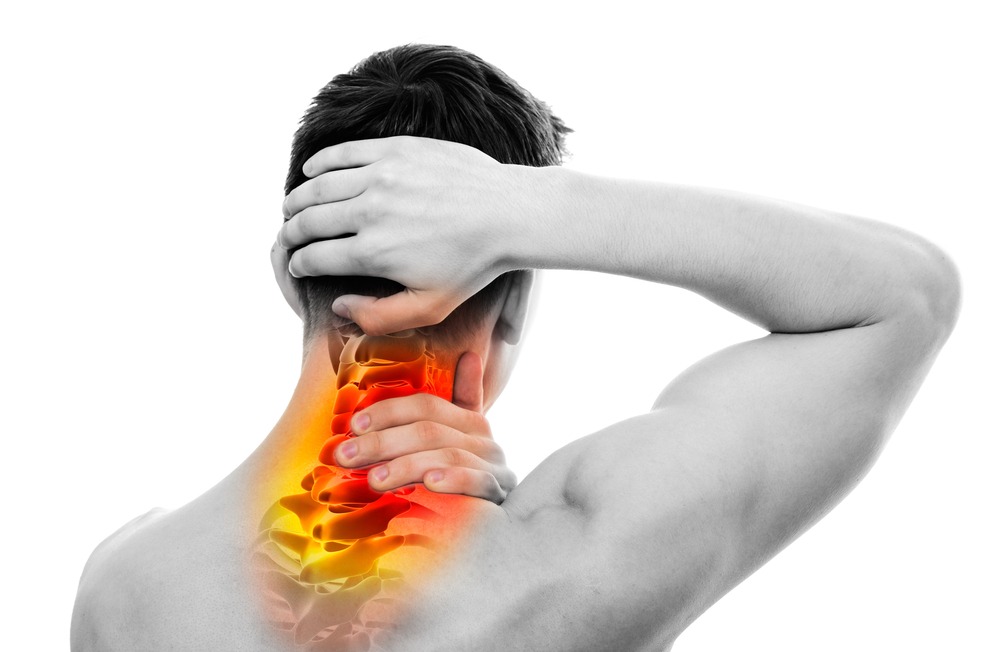
Early at the beginning neck pain, it may start with pain in the neck itself then this pain may will be distributed or referred to one or both shoulders or upper limbs, associated with or without other symptoms, Some of these accompanying symptoms occur due to compression on the nerves present in the neck. These symptoms are:
- Tenderness and tight muscles around the neck
- Sometimes sharp shooting or dull pain.
- Limitation of range of motion.
Associated symptoms with the neck pain.
- Pain on face and around shoulders.
- Numbness or tingling sensations (needle-type sensations) referred to one or both shoulders or upper limbs.
- Headache.
- Giddiness or lightheadedness.
- Difficulties while performing activities.
- Trouble with swallowing.
Other symptoms arising after an accident or sudden trauma
- Severe stiff neck.
- Headache associated with nausea, vomiting, dizziness.
- Increased sensitivity to light.
- Pain that never changes in its intensity whether you’re taking rest or not.
- Unsolved weight loss, fever, and chills
- Nerve issues like tingling or problems with moving your arm and fingers.
- No control of bladder or bowel.
What Causes Neck Pain?
- Your weak excessively used neck muscles
For example, when using a computer or reading a book, when you sit at the chair for a prolonged period predominantly in some odd positions without maintaining the posture with tensed muscles. This tension in your muscles leads to pain and stiffness in the neck, or it can occur in shoulder areas.
Similarly, some actions that typically include leaning your head back, contrary to the neck, can equally lead to muscular issues in the neck zone. These activities can be like painting a ceiling, doing sports like riding a bike, and swimming while keeping your head in a fixed position.
- Degenerative changes on your cervical spine
Your backbone (a hard tissue) is called spine. There are 33 bones in the spine, named as a vertebra. When you age, some changes occur in your spine titled as wear and tear of the structures. This wear and tear phenomenon can happen in the bone itself, the cartilage, and the discs present in the spine. These changes are; flattening of disks present between the vertebrae, bone growth around the margins of vertebra.
- Whiplash injury
This is basically an injury that happens if you are driving and encounter an accident. The effect of the accident results in a quick jerk at the head and then in a backward position. This frequently results in minor injuries in the muscle and connective tissue, resulting in painful, tense muscles, and problems while moving your head.
- Narrowing of your vertebral canal or suffering from slipped disk
There is a canal present in the back of your vertebra known as a vertebral canal where your most essential structures (nerves) are passing. When this canal becomes too narrow, or the content (fluid) of your disk protrudes outside on a nerve root, it can result in neck pain that goes (radiates like a shooting pain) into your shoulder or arm. However, a slipped disk does always result in these symptoms.
Less Common Causes of Neck Pain
- Fractures.
- Infection like meningitis.
- Tumor.
- Inflammatory conditions like Ankylosing spondylitis.
- Anxiety.
How Is Neck Pain Diagnosed?
If your neck pain increases day by day, you have to visit a doctor specialized in orthopedics for proper diagnosis and assessment. If your doctor thinks that pain is coming due to some muscular issues, he/she will recommend conventional treatment like the use of modalities, exercises, and some medication.
But if your doctor observes that your sign and symptoms are matching the indications of some severe disease then he/she will go for various medical tests and investigations like X-ray or MRI to rule out any severe underlying conditions like (Fractures of vertebrae, cancer, infections or any inflammatory disease like ankylosing spondylitis) or some conditions like (Disc herniation, radiculopathy, osteoarthritis, spinal stenosis) and meningitis.
X-ray, CT, or MRI scans are solely required in cases of severe disease or if your doctor thinks that there is a particular reason behind it. They are not helpful in some instances like wear and tear on your cervical spine, which doesn’t result in a severe issue.
Similarly, your doctor will first some questions, like whether an accident happened? Point out the location of the injury? Or pain? And whether there is some sort of physical strain? Or mental stress issue. The doctor will go for a physical examination to observe any underlying serious causes. This will comprise of checking (palpating) your neck with his hands, inspecting up to which limit you can move your head.
Similarly, he will examine your reflexes and muscle strength in the arms and shoulders. In some cases, like trauma, infection, fever, cancer, substantial muscle weakness, unsolved weight loss: these symptoms display that there is a serious cause, and it requires prompt treatment. However, if the diagnosis is accurate, then the most effective treatment can be one for neck pain. The treatment options and prevention guidelines will be later prescribed in this article.
Types of Neck Pain Explained
These mainly are; muscle pain, facet joint pain, pain in the head, nerve pain, referred pain, bone pain.
- Muscle pain
The pain that occurs due to sore neck and shoulder muscles or as a result of overwork or an extended physical or emotional stress. There might be hard knots present in the neck muscles that are tender to the touch, known as trigger points.
- Headache
The pain that is felt on the back of your head or in the upper neck frequently occurs as a result of muscle tension or spasm. Throat associated headache is generally dull or aching, instead of sharp pain. Similarly, when you move your neck, it will be difficult.
- Facet joint pain
Facets are the part of vertebra typically labeled as deep, sharp, or aching. This pain gets worse while leaning on your head, and this pain can equally radiate shoulder or upper back.
- Radiating pain or Nerve pain
This pain can be described as piercing, brief, severe pain, together with pins and needles as a result of Irritation or compression of the spinal nerve roots. The pain can radiate to the arm up to the hand.
- Referred pain
The pain arising in one segment of the body as a result of an issue in another section of the body. For instance, neck pain that gets worse with effort might specify a heart issue, and the neck pain which occurs can be a result of some point from the esophagus.
- Bone pain
The pain and tenderness that is felt on the vertebra.
How to Prevent Neck Pain
The essential thing to prevent neck pain is by maintaining your spine flexible and durable. This neck pain can be easily stopped by making some lifestyle fluctuations. These guidelines are as follows:
- Try to maintain an upright posture, when working by sitting at a desk while using a computer or a mobile. While reading, studying, driving. While doing ab exercises or sleeping.
- Don’t sit for prolonged time and take short breaks every 30 minutes by moving around within the office then get back.
- Avoid lifting heavy weights.
- Learn yourself about the techniques of lifting objects and heavy weights.
- Sleep on a well-supported mattress and pillow.
- Do exercises daily to keep joints mobile and stretchy. Similarly, you can exercise with a friend.
- Always wear a seat belt while on a car.
- Wear protective gear when doing sports or exercising.
- Avoid sleeping on your stomach, this results in over-extension of your neck. Use a pillow for this purpose.
Neck Pain Treatment Options
When it comes to neck pain management, the most solid proof is the physical therapy exercises. Exercises and manipulative therapy are better as compared with medications. According to the research, the neck stretching and strengthening exercises are readily used to treat neck pain. Aside from exercises, there are some additional treatment options. These are:
- Ice and heat therapy.
- Pain medication like; NSAIDs, these medications provide relief of pain. muscle relaxants for acute neck pain and they equally lessen muscle spasm.
- Corticosteroid injections to reduce inflammation.
- Use of neck collar to protect the neck in different activities especially if you have cervical disc.
- Different antibiotics in case of infection ceftriaxone.
- Surgery, which is recommended just in severe cases.
- Traction.
Additional Neck Pain Therapies
- Acupuncture.
- Chiropractic treatment.
- Massage.
- Transcutaneous electrical nerve stimulation (TENS), which common been used by the physical therapists.
Note: Your doctor or physical therapist may would recommend more than one method or option for treatment of your neck pain, according to your case and your symptoms.
Cervical Traction for Nerve-Related Neck Pain
Traction is commonly exploited to relieve the symptoms of peripheralization (radiation of pain). A study described that following conservative therapy in which alternating cervical traction is given with manual therapy and deep neck flexor muscle strengthening, decreases the severe disability in patients suffering from cervical radiculopathy. This traction can be done manually or mechanically by your physical therapist.
What’s the Outlook for Neck Pain?
Prognosis of neck pain is highly dependent on certain prognostic factors. Based on critical studies, the determined prognostic factors. these typically are age, Sex, pain severity levels, a past history with neck pain, associated low back pain, period of pain, occupation, preceding trauma, and progressive variations on X-ray. Recognizing these factors play an essential part in determining the prognosis of patients. therefore, a bad prognosis results in sluggish recovery.
The Bottom Line on Neck Pain
Quick Takeaways from a Practicing Physiotherapist
1. Most neck pain is mechanical and eases within weeks — posture correction, targeted movement, and load management matter more than rest.
2. Red-flag symptoms (arm weakness, numbness, unrelenting night pain) warrant prompt medical assessment — do not self-treat these.
3. Prevention beats treatment: an ergonomic setup, regular movement breaks, and neck-specific strengthening cut recurrence significantly.
In this article, all the comprehensive details about the root causes of neck pain, its most experienced symptoms, various types of neck pain, its prognosis, prevention guidelines, and different treatment options of neck pain are provided.
This knowledge will help the patients to get early recovery. Identically exercises described in this article can be easily performed at home after the proper diagnosis of disease to rule out any serious cause.
Similarly, this article has provided a shred of ample evidence about its prevalence, burden, and incidence. To sum it all up, it can conclude all the knowledge about neck pain prevention guidelines and physiotherapy treatment with home-based exercises, will result in early recovery from this miserable condition.
Frequently Asked Questions About Neck Pain
How long does neck pain last?
Most acute neck pain settles within two to six weeks with gentle movement and posture adjustments. If it persists beyond three months, it is considered chronic and warrants a proper physiotherapy assessment to identify the underlying driver.
When should I worry about neck pain?
Seek prompt medical care if neck pain comes with arm weakness, numbness or tingling, unrelenting pain at night, dizziness, or follows an injury. These can signal nerve or structural involvement that needs assessment rather than self-treatment.
What is the fastest way to relieve neck pain?
Gentle range-of-motion movement, correcting your head-forward posture, and short bouts of heat usually ease everyday neck pain faster than rest. Avoid staying still for long periods, which tends to stiffen the neck further.
Can neck pain go away on its own?
Yes. The majority of mechanical neck pain resolves on its own within a few weeks, especially when you stay active and manage your daily posture and workstation setup. Recurrence is common, so prevention matters.
Is it better to rest or move with neck pain?
Guided early movement beats prolonged rest for most neck pain. Staying gently active maintains circulation and mobility, while extended rest often prolongs stiffness. Painful, jerky movements should still be avoided in the early days.
References
- Binder AI (2007). “Cervical spondylosis and neck pain“. BMJ. 334 (7592): 527–31. doi:10.1136/bmj.39127.608299.80. PMC 1819511. PMID 17347239.
- Wang, H., Naghavi, M., Allen, C., Barber, R.M., Bhutta, Z.A., Carter, A., Casey, D.C., Charlson, F.J., Chen, A.Z., Coates, M.M. and Coggeshall, M., 2016. GBD 2015 Mortality and Causes of Death Collaborators. Global, regional, and national life expectancy, all-cause mortality, and cause-specific mortality for 249 causes of death, 1980-2015: a systematic analysis for the Global Burden of Disease Study 2015. Lancet, 388(10053), pp.1459-1544.
- Hoy DG, Protani M, De R, Buchbinder R. The epidemiology of neck pain. Best Practice & Research Clinical Rheumatology. 2010;24(6):783-92.
- org [Internet]. Cologne, Germany: Institute for Quality and Efficiency in Health Care (IQWiG); 2006-. Neck pain: Overview. 2010 Aug 24 [Updated 2019 Feb 14]. Available from: https://www.ncbi.nlm.nih.gov/books/NBK338120
- Hurwitz, E. L., Randhawa, K., Yu, H., Côté, P., & Haldeman, S. (2018). The Global Spine Care Initiative: a summary of the global burden of low back and neck pain studies. European Spine Journal, 27(6), 796-801.
- Hoy, D., March, L., Woolf, A., Blyth, F., Brooks, P., Smith, E., … & Burstein, R. (2014). The global burden of neck pain: estimates from the global burden of disease 2010 study. Annals of the rheumatic diseases, 73(7), 1309-1315.
- Hoy D, March L, Woolf A, Blyth F, Brooks P, Smith E, et al. The global burden of neck pain: estimates from the Global Burden of Disease 2010 study. 2014;73(7):1309-15.
- Childs, J.D., Cleland, J.A., Elliott, J.M., Then, D.S., Wainner, R.S., Whitman, J.M., Sopky, B.J., Godges, J.J., Flynn, T.W., Delitto, A. and Dyriw, G.M., 2008. Neck pain: clinical practice guidelines linked to the International Classification of Functioning, Disability, and Health from the Orthopaedic Section of the American Physical Therapy Association. Journal of Orthopaedic & Sports Physical Therapy, 38(9), pp.A1-A34.
- Borghouts JA, Koes BW, Vondeling H, Bouter LM. Cost-of-illness of neck pain in The Netherlands in 1996. Pain. 1999;80:629–636.
- William C. Shiel Jr. M, FACP, FACR. Neck Pain (Cervical Pain) [Available from https://www.medicinenet.com/neck_pain/article.htm.
- Cohen SP, Hooten WM. Advances in the diagnosis and management of neck pain. BMJ. 2017 Aug 14;358:j3221.
- Bronfort G, Evans R, Anderson AV, Svendsen, Spinal manipulation, medication,
or home exercise with advice for acute and subacute neck pain: a randomized trial.Ann Intern, Mexl.2012;156(1,pt I):1-10. - Kay TM, Gross A, Goldsmith CH, et al. Exercises for mechanical neck disorders, Cochrane Database Syst Rev. 2012;8; CD004250.
- Sihawong R, Janwantanakul P, Sitthipornvorakul E, Pensri P. Exercise therapy for office workers with nonspecific neck pain: a systematic review. J Manipulative Physical Ther.2011;34(1):62-71.
- Bertozzi L, Gardenghi I, Turonii F, et al., Effect of therapeutic exercise on pain and disability in the management of chronic nonspecific neck pain: systematic review and meta-analysis of randomized trials.Phys Ther.2013;93(8)1026-1036.
- Flood J.The role of acetaminophen in the treatment of osteoarthritis.Am J Manag Care,2010;16(suppl, Management): S48-554.
- Scott NA, Guo B, Barton PM, Gerwin RD.Trigger point injection for chronic non-malignant musculoskeletal pain; a systematic review. Pain Med.2009;10(1):54-69.
- Kamali A, Kaya A, Ardicoglu O, Ozgocmen S, Zenign FO
- Bayik Y. Comparison of lidocaine injection, botulinum toxin injection, and dry needling to trigger points in myofascial pain syndrome, Rheumatol Int. 2005;25(8):604-611.
- Cleland JA, Fritz JM, Whitman JM, Heath R. Predictors of short-term outcome in people with a clinical diagnosis of cervical radiculopathy. Phys Ther. 2007; 87:1619–1632
- Borghouts JAJ, Koes BW, Bouter LM. The clinical course of non-specific neck pain: A systematic review. Pain, 1998;77:1–13.
- Bot SDM, van der Waal JM, Terwee CB, et al. Predictors of outcome in neck and shoulder symptoms. Spine, 2005;30:E459–70.
- Hoving JL, de Vet HCW, Twisk JWR, et al. Prognostic factors for neck pain in general practice. Pain, 2004;110:639–45.
- Ariëns GAM, Borghouts JAJ, Koes BW. Neck pain. In: Crombie IK, ed. The Epidemiology of Pain. Seattle, WA: IASP Press; 1999:235–55
- Burdorf A, Naaktgeboren B, Post W. Prognostic factors for musculoskeletal sickness absence and return to work among welders and metal workers. Occup Environ Med 1998;55:490–5.